Next-Generation Sequencing (NGS) in Somatic Oncology: From Molecular Portraits to Therapeutic Decisions
Share

Highlights
Comprehensive profiling in a single test: NGS simultaneously detects multiple clinically relevant alterations, including SNVs, indels, copy number variations, and gene fusions, whereas traditional methods often require several separate assays.
Preserves valuable tissue: By consolidating biomarker testing into one workflow, NGS minimizes tissue consumption and reduces the need for repeat biopsies, particularly when sample availability is limited.
Identifies both common and rare variants: Unlike targeted conventional techniques that focus on predefined mutations, NGS can uncover a broader range of actionable genomic alterations, including rare and novel variants.
Supports precision treatment decisions: Comprehensive genomic insights help clinicians select targeted therapies, assess eligibility for immunotherapies, and identify potential clinical trial opportunities.
Improves sensitivity and efficiency: Modern NGS assays can detect low-frequency variants from small or low-tumor-content samples, reducing the risk of missed molecular findings.
Extends beyond diagnosis: NGS supports longitudinal disease monitoring through liquid biopsy applications, enabling the detection of resistance mutations, clonal evolution, and minimal residual disease.
Designed for the future of oncology: As the number of actionable biomarkers continues to grow, NGS offers a scalable, efficient, and future-ready approach to molecular testing in precision cancer care.
In modern oncology, the role of the pathologist has evolved from a descriptive, morphological discipline to a highly data-driven molecular science. While histopathology remains the bedrock of tissue diagnosis, the era of precision medicine requires deep genomic profiling to direct targeted therapies.
This article breaks down the values of NGS compared to traditional modalities, explores somatic mutation types, and maps out how NGS transforms the clinical patient journey.
Somatic Oncology: The Four Core Mutation Types
In somatic oncology, acquired mutations drive tumor growth, resistance, and progression. These mutations can be classify in four primary group of genetic alterations:
Single Nucleotide Variants (SNVs): A change in a single nucleotide base
Small Insertions and Deletions (Indels): The gain or loss of a few nucleotides, frequently throwing off the reading frame.
Copy Number Variations (CNVs): Large-scale duplications or deletions of genomic regions leading to gene amplification or loss.
Structural Variants (SVs) / Gene Fusions: Chromosomal rearrangements where parts of two distinct genes fuse together, creating an oncogenic chimeric protein.
The Traditional Toolset vs. The NGS Revolution
Traditional pathology methodologies are robust and highly specific, but they operate on a "one test, one variant" paradigm. Here is what traditional methods detect and where they face limitations:
Traditional Diagnostic Modalities
Immunohistochemistry (IHC): Detects altered protein expression or specific mutant proteins (e.g., ALK or ROS1 expression). It lacks the ability to identify the precise underlying genetic sequence or novel fusion partners.
Digital/Real-Time PCR: Highly sensitive for known, targeted SNVs or Indels. However, it completely misses unmapped or rare variants outside the specific primer design.
Fluorescence In-Situ Hybridization (FISH): The gold standard for structural variants (fusions) and large CNVs. However, it requires viable cells, is highly subjective, labor-intensive, and provides no sequence-level data.
Sanger Sequencing: Long considered the gold standard for sequencing, it can only analyze one DNA fragment at a time and requires a high tumor cell content (typically >20%), making it poorly suited for low-purity, small biopsy samples.
The Massively Parallel Advantage of NGS
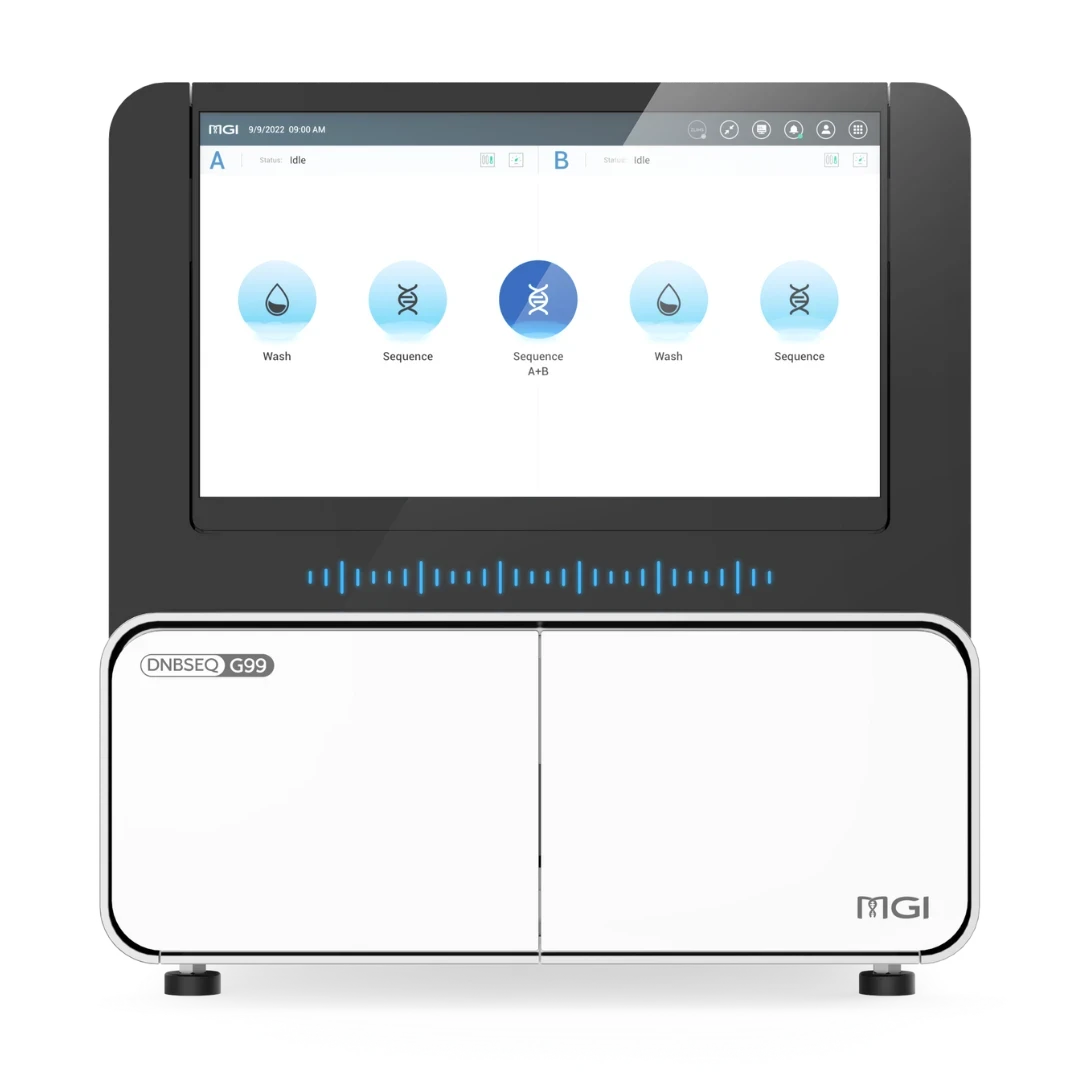
Unlike sequential testing, NGS utilizes massively parallel sequencing to analyze millions of DNA and RNA fragments simultaneously.
Unlike sequential testing, NGS utilizes massively parallel sequencing to analyze millions of DNA and RNA fragments simultaneously.
Feature | Traditional Methods (PCR, FISh, Sanger) | Nex-Generation Sequencing (NGS) |
|---|---|---|
Throughput | Single target or single gene per assay | Hundreds to thousands of genes simultaneously |
Cost-Effective Scalability | Low | High |
Variant Detection | Only looks for predefined, specific mutations | Discovers both known and novel/rare variants |
Analytical Sensitivity | Varies (Sanger requires 20% mutant allele fraction) | Extremely high (detects down to <1% variant allele frequency) |
Which NGS Assay Modality Addresses Which Mutation Type?
To successfully integrate NGS into your pathology workflow, it is vital to match the right laboratory technique to the molecular target. NGS testing generally relies on two primary enrichment methods: Amplicon-based (PCR-driven) and Hybrid-capture (probe-driven).
DNA-Based NGS
Amplicon-Based Panels: Ideal for targeted hot-spot testing. Highly effective for detecting SNVs and short Indels from low-input or highly degraded DNA (such as formalin-fixed paraffin-embedded (FFPE) tissue).
Hybrid-Capture Panels: Superior for discovering CNVs (amplifications/deletions) and broader genomic signatures like Tumor Mutational Burden (TMB) and Microsatellite Instability (MSI).
RNA-Based NGS
RNA Sequencing / Fusion Panels: RNA-seq is the definitive tool for detecting Structural Variants and Gene Fusions. Because RNA splicing removes massive intronic spaces, sequencing the mature mRNA transcript allows for the seamless detection of fusions regardless of where the chromosomal break occurred in the DNA.
Pathologist’s Clinical Pearl: If a tissue biopsy shows an unusual presentation but traditional FISH or DNA-NGS yields a negative result for fusions, reflexing to an RNA-based NGS panel is highly recommended to rule out novel intronic breakpoints.
Elevating the Patient Journey: NGS in Precision Medicine
Implementing NGS radically reshapes oncology workflows across three critical axes of the patient care continuum.
Diagnostic Subtyping
Many tumors are no longer classified solely by tissue of origin, but by their molecular signatures. NGS provides an unbiased, comprehensive landscape that allows pathologists to definitively categorize ambiguous tumors (e.g., identifying a specific fusion that reclassifies an undifferentiated sarcoma).
Treatment Decision Support
With the rapid expansion of FDA-approved targeted therapies, testing genes sequentially runs a severe risk of tissue exhaustion. NGS preserves precious tissue samples by analyzing actionable markers, such as EGFR, BRAF, KRAS, ALK, and NTRK, all in a single workflow, matching patients to effective targeted therapies or clinical trials immediately.
Longitudinal Monitoring and Liquid Biopsies
Beyond tissue, NGS extends to liquid biopsies analyzing circulating tumor DNA (ctDNA) in blood plasma. This permits non-invasive tracking of clonal evolution, early detection of minimal residual disease (MRD), and the rapid identification of secondary resistance mutations without requiring a repeat surgical biopsy.
Embracing the Future of Pathology
Traditional methods will always have a place in the laboratory for rapid, single-target screens. However, as oncology continues its shift toward personalized genomic medicine, NGS stands out as the ultimate multiplexing tool. By consolidating the detection of SNVs, Indels, CNVs, and fusions into a singular, highly sensitive workflow, pathologists can protect tissue, save precious clinical time, and remain at the absolute forefront of cancer patient care.
Related Resources
References
Jennings LJ, Arcila ME, Corless C, et al. Guidelines for Validation of Next-Generation Sequencing–Based Oncology Panels: A Joint Consensus Recommendation of the Association for Molecular Pathology and College of American Pathologists. J Mol Diagn. 2017;19(3):341-365. doi:10.1016/j.jmoldx.2017.01.011.
Lindeman NI, Cagle PT, Aisner DL, et al. Updated Molecular Testing Guideline for the Selection of Lung Cancer Patients for Treatment With Targeted Tyrosine Kinase Inhibitors: Guideline From the College of American Pathologists, International Association for the Study of Lung Cancer, and Association for Molecular Pathology. Arch Pathol Lab Med. 2018;142(3):321-346. doi:10.5858/arpa.2017-0388-CP.
Clinical and Laboratory Standards Institute (CLSI). Human Genetic and Genomic Testing Using Traditional and High-Throughput Nucleic Acid Sequencing Methods. 3rd ed. CLSI guideline MM09. Wayne, PA: Clinical and Laboratory Standards Institute; 2024.
Inoue T, Shimoda Y, Kuroki T, et al. Comparison of next-generation sequencing and immunohistochemistry analysis for targeted therapy-related genomic status in advanced lung cancer patients. J Thorac Dis. 2021;13(5):2910-2921. doi:10.21037/jtd-20-3331.
Davies KD, Le AT, Theis EK, et al. Comparison of Next-Generation Sequencing to FISH and IHC for Evaluation of ALK, ROS1, and RET Rearrangements in Advanced Non-Small Cell Lung Cancer. J Thorac Oncol. 2018;13(9):E173-E175. doi:10.1016/j.jtho.2018.04.035.
Benayed R, Offin M, Mullaney K, et al. High Yield of RNA-Based Next-Generation Sequencing for Detection of Oncogenic Fusions in Lung Adenocarcinomas with Negative DNA-Based Results. Clin Cancer Res. 2019;25(21):6312-6320. doi:10.1158/1078-0432.CCR-19-0225.