Porto, Portugal, 4 February 2026 — As World Cancer Day approaches on 4 February, the importance of this transition, from research-driven insight to dependable clinical diagnostics, has never been clearer. Cancer care increasingly depends on the ability to detect complex molecular alterations accurately, efficiently and at scale.
At IPATIMUP, meeting these demands means adopting technologies and workflows that support precision oncology without compromising reliability, turnaround time or clinical confidence. Originally founded as a cancer research institute, IPATIMUP has steadily expanded its role within Europe’s oncology landscape by translating molecular research into routine diagnostic practice. In this institute, cancer diagnostics are not treated as a static service, it is an evolving discipline shaped by research, clinical responsibility and real patient needs. Today, the institute stands at the intersection of discovery and decision-making, where molecular data must be both scientifically robust and clinically actionable.
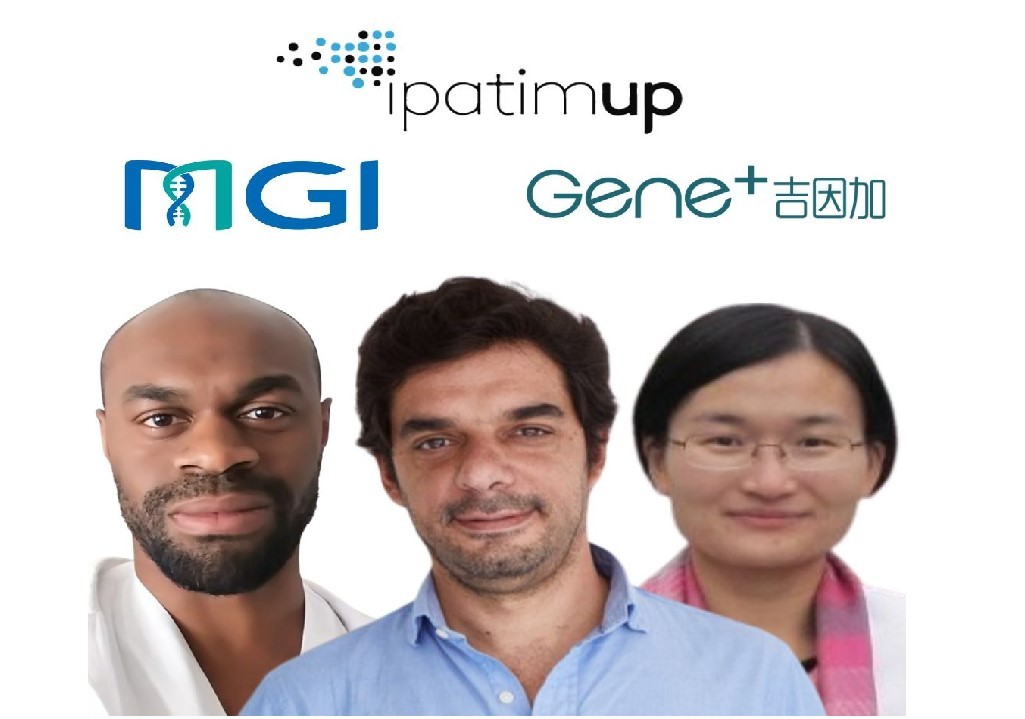
These challenges and opportunities were explored in a recent discussion that brought together Dr Jorge Lima from IPATIMUP in Portugal, Bernard Okere from MGI Tech, who is based in Italy, and Nancy Yang from Gene+ in China. Their shared experiences reflect how global collaboration, across institutions, technologies and continents, is reshaping how molecular diagnostics is delivered in everyday clinical settings.
Translating Research Into Routine Diagnostics
At IPATIMUP, research is not separate from diagnostics, it defines it. According to Dr Lima, the institute’s diagnostic strategy is built on the principle that clinical tests must evolve alongside scientific understanding.
“Our goal is to bring the best possible molecular diagnostics to clinical practice, particularly in oncology,” Dr Lima explained. “Research is at the core of everything we do. What we discover in the research setting must ultimately translate into diagnostic tools that benefit patients in real clinical workflows.”
As next-generation sequencing (NGS) became central to oncology diagnostics, IPATIMUP moved beyond smaller, custom assays towards broader NGS-based workflows. Rather than abandoning in-house expertise, the laboratory adopted a hybrid approach, combining internally developed methods with externally validated solutions. This allowed the team to remain flexible and innovative while meeting regulatory and quality requirements essential for patient-facing diagnostics.
Choosing Technology That Supports Clinical Responsibility
For IPATIMUP, selecting a sequencing platform was not simply a technical decision, it was a clinical one. Data quality, reproducibility and cost-effectiveness all had to align with long-term diagnostic needs.
“We evaluated different platforms carefully,” Dr Lima noted. “What stood out with MGI was the balance between high-quality data and operational efficiency. Once we began validating the systems ourselves, the consistency across different applications became clear.”
From targeted panels to exome-level analysis, the ability to rely on stable performance was critical. Bernard Okere emphasised that this flexibility is increasingly important as clinical laboratories face fluctuating sample volumes and expanding test menus.
“Diagnostic labs cannot afford rigid workflows,” he said. “They need platforms that adapt, whether that means scaling throughput, integrating new assays or supporting both DNA and RNA applications without sacrificing accuracy.”
Beyond the technology itself, long-term collaboration played a decisive role. Ongoing technical support, validation guidance and co-development ensured that implementation did not stop at installation but continued as diagnostic demands evolved.
Integrated panels for comprehensive cancer profiling
As oncology diagnostics have shifted towards comprehensive profiling, the role of well-designed gene panels has become increasingly important. Nancy Yang described how Gene+ approaches panel development by starting with clinical relevance rather than gene count.
“Our mission is not to include as many genes as possible, but to include the right ones,” she explained. “Panel design is driven by clinical guidelines, emerging evidence and real diagnostic needs.”
Gene+’s 188-gene panel aligns with ESMO-recommended biomarkers and supports routine testing across solid tumours using both tissue and liquid biopsy samples. For more complex or advanced cases, the 1,021-gene panel enables broad genomic profiling, including tumour mutational burden analysis, providing additional options when standard treatments fail.
At IPATIMUP, this tiered strategy has already been incorporated into routine workflows. Lung cancer testing, for example, has transitioned from smaller panels to the 188-gene panel, significantly expanding molecular insight without extending turnaround times.
“For cases where treatment options are limited or unclear, comprehensive profiling can reveal actionable alterations we would otherwise miss,” Dr Lima said. “That information directly influences clinical decision-making.”
DNA and RNA: A complementary strategy
While DNA sequencing remains foundational, the integration of RNA sequencing has become a critical differentiator in oncology diagnostics. RNA-based assays enable the detection of gene fusions, aberrant splicing events and expression-driven alterations that may not be evident at the DNA level.
“In lung cancer, especially, RNA sequencing can uncover actionable targets when DNA results are negative,” Yang explained. “This is why combined DNA and RNA analysis is increasingly considered essential rather than optional.”
Dr Lima added that RNA testing has consistently delivered additional clinically relevant findings, increasing diagnostic confidence in complex cases. By integrating both data types into routine workflows, laboratories can provide clinicians with a more complete molecular profile, reducing uncertainty and supporting more precise treatment decisions.
Automation, Scale and Maintaining Quality
As testing volumes grow, automation has become a practical necessity rather than a convenience. At IPATIMUP, standardised automation has reduced hands-on time, minimised variability and supported consistent results across runs.
“In a clinical environment, consistency is critical,” Dr Lima added. “Automation helps us maintain quality while handling increasing workloads, without overburdening staff.”
From MGI’s perspective, successful scaling depends on more than instruments alone. Okere emphasised that sustained collaboration—covering planning, validation and ongoing optimisation, is what allows laboratories to grow while preserving clinical trust.
“Scaling diagnostics is not just about throughput,” he said. “It’s about ensuring that quality remains unchanged as demand increases.”
Toward the Future of Precision Oncology
The experiences shared by IPATIMUP, Gene+ and MGI illustrate how precision oncology is moving steadily from specialised centres into routine clinical practice. By combining research-driven diagnostics, flexible sequencing platforms, clinically focused panel design and automated workflows, laboratories are better equipped to meet today’s oncology challenges.
As cancer diagnostics continue to evolve, partnerships like these will play an increasingly important role, ensuring that innovation translates into reliable, accessible and clinically meaningful care. In doing so, they are helping redefine how precision oncology is delivered, not just on World Cancer Day, but every day in laboratories around the world.


Precision medicine
NGS
Oncology
Cancer diagnostics
Share